How to integrate Svix MCP with Claude Code

Framework Integration Gradient
Svix Logo
Claude Code Logo
divider

Introduction

Manage your Svix directly from Claude Code with zero worries about OAuth hassles, API-breaking issues, or reliability and security concerns.

You can do this in two different ways:

  1. Via Rube - Direct and easiest approach
  2. Via Composio SDK - Programmatic approach with more control

Why Rube?

Rube is a universal MCP server with access to 850+ SaaS apps. It ensures just-in-time tool loading so Claude can access the tools it needs, a remote workbench for programmatic tool calling and handling large tool responses out of the LLM context window, ensuring the LLM context window remains clean.

Connect Svix to Claude Code with Rube

1. Get the MCP URL

Copy and paste the below command in Claude Code to add Rube MCP.

Terminal

2. Authenticate Rube

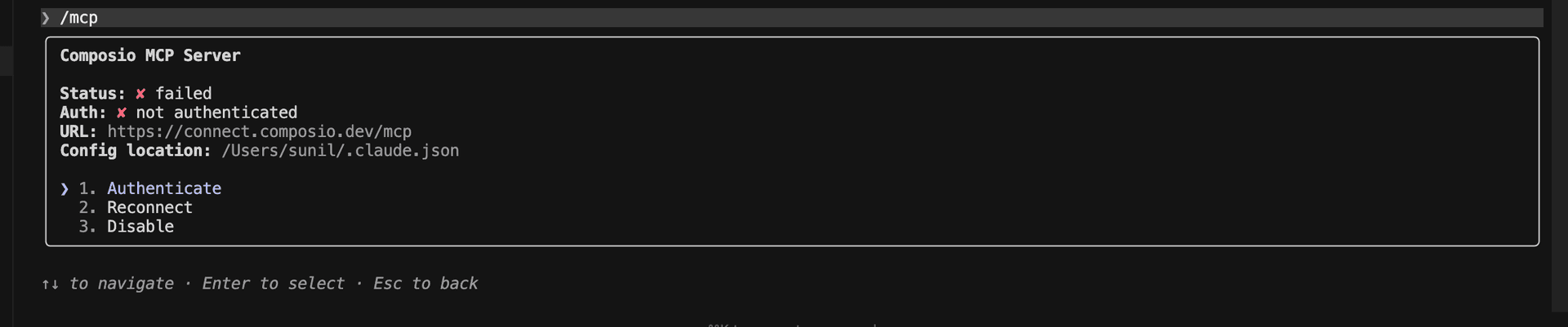
Run /mcp to view Rube

bash
/mcp
Run /mcp to view Rube in Claude Code
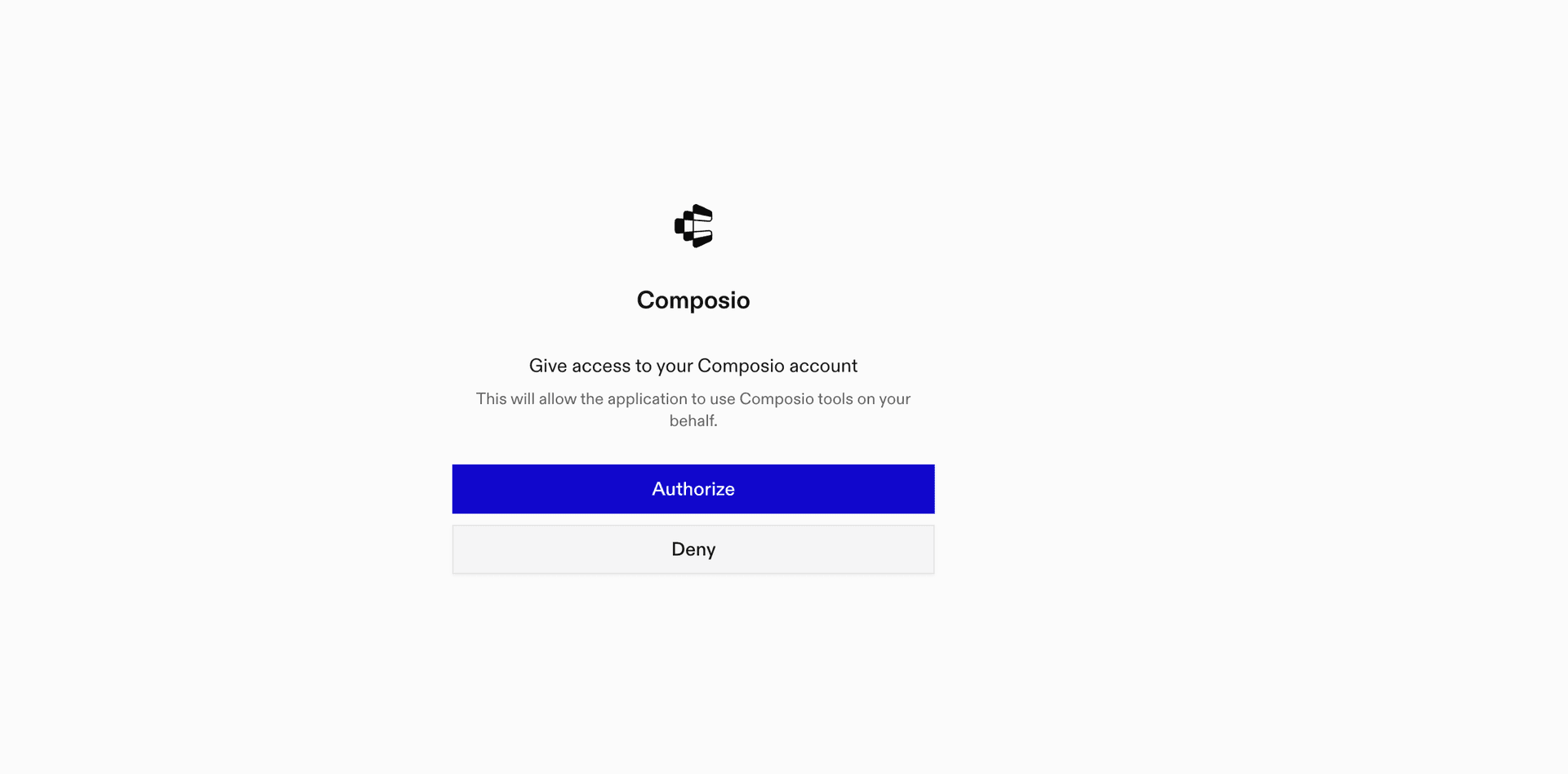
Click on Rube to authenticate
Authentication flow complete

3. Ensure it's connected

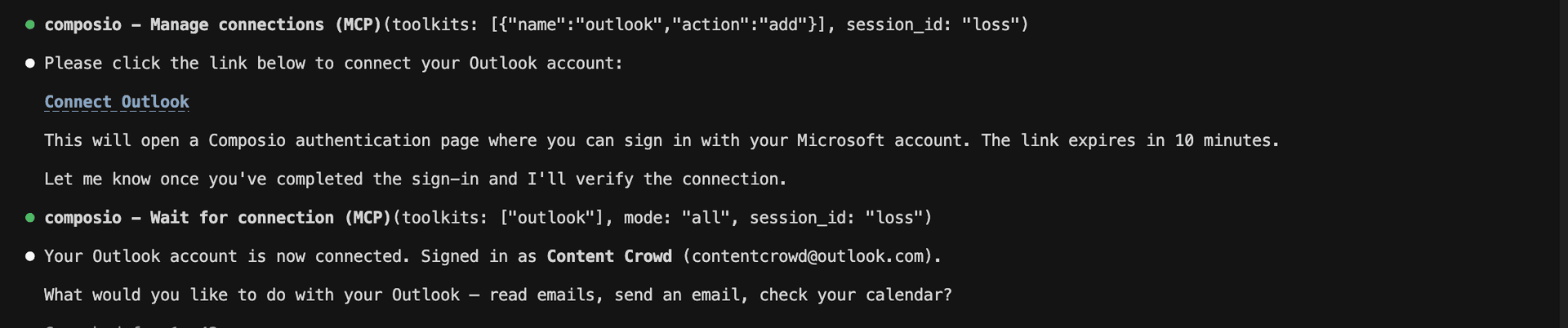
Run /mcp again to verify the connection. Now, do whatever you want with Claude Code and Svix.

Rube connected successfully

Supported Tools & Triggers

Tools
Create ApplicationTool to create a new svix application.
Delete Svix ApplicationTool to delete an application by its id.
Get ApplicationTool to retrieve details of a specific svix application by its id.
List ApplicationsTool to list all applications.
Update Svix ApplicationTool to update an existing svix application by id.
Get Attempt DetailsTool to retrieve details of a specific message attempt.
List Message AttemptsTool to list all delivery attempts for a specific message.
Create EndpointTool to create a new svix webhook endpoint.
Delete EndpointTool to delete an endpoint.
Get EndpointTool to retrieve details of a specific endpoint.
List EndpointsTool to list all endpoints for a specific application.
Patch EndpointTool to partially update an endpoint’s configuration.
Patch Endpoint HeadersTool to partially update headers for a specific endpoint.
Recover Failed WebhooksTool to recover messages that failed to send to an endpoint.
Replay Missing WebhooksTool to replay missing webhooks for a specific endpoint.
Get Endpoint SecretTool to retrieve the secret for a specific endpoint.
Rotate Endpoint SecretTool to rotate the signing secret key for an endpoint.
Send Example MessageTool to send a test message for a specific event type to an endpoint.
Get Endpoint StatsTool to retrieve basic statistics for a specific endpoint.
Get Endpoint TransformationTool to retrieve transformation settings for a specific endpoint.
Set Endpoint TransformationTool to set or update transformation settings for an endpoint.
Update EndpointTool to update an existing endpoint.
Update Endpoint HeadersTool to completely replace headers for a specific endpoint.
Create Event TypeTool to create a new event type or unarchive an existing one.
Delete Event TypeTool to delete an event type.
Get Event TypeTool to retrieve details of a specific event type by its id.
List Event TypesTool to retrieve a list of all event types.
Update Event TypeTool to update an existing event type by id.
Create IntegrationTool to create a new integration for a specific application.
Delete IntegrationTool to delete an integration.
Get IntegrationTool to retrieve details of a specific integration.
List IntegrationsTool to list all integrations for a specific application.
Update IntegrationTool to update an existing integration by id.
Create MessageTool to create a new message for a specific application in svix.
Get MessageTool to retrieve details of a specific message by its id.
List MessagesTool to list all messages for a specific application.
Create SourceTool to create a source for message ingestion.

What is the Svix MCP server, and what's possible with it?

The Svix MCP server is an implementation of the Model Context Protocol that connects your AI agent and assistants like Claude, Cursor, etc directly to your Svix account. It provides structured and secure access to your webhooks infrastructure, so your agent can perform actions like managing applications, configuring endpoints, sending webhooks, and monitoring delivery attempts on your behalf.

  • Application management and automation: Ask your agent to create, update, list, or delete Svix applications, making it easy to manage webhook-enabled projects programmatically.
  • Endpoint configuration: Have your agent register, retrieve, or remove webhook endpoints for your applications, ensuring your events get delivered to the right places.
  • Webhook delivery tracking: Let your agent fetch detailed information about message delivery attempts, helping you monitor reliability and debug failed webhooks with ease.
  • Comprehensive application insights: Retrieve metadata and details for any Svix application, so your agent can surface key info or audit your webhook ecosystem.
  • Automated cleanup and maintenance: Direct your agent to delete outdated applications or endpoints, streamlining your webhook management and reducing clutter.

Connecting Svix via Tool Router

Tool Router is the underlying tech that powers Rube. It's a universal gateway that does everything Rube does but with much more programmatic control. You can programmatically generate an MCP URL with the app you need (here Svix) for even more tool search precision. It's secure and reliable.

How the Tool Router works

The Tool Router follows a three-phase workflow:

  1. Discovery: Searches for tools matching your task and returns relevant toolkits with their details.
  2. Authentication: Checks for active connections. If missing, creates an auth config and returns a connection URL via Auth Link.
  3. Execution: Executes the action using the authenticated connection.

Step-by-step Guide

Prerequisites

Before starting, make sure you have:
  • Claude Pro, Max, or API billing enabled Anthropic account
  • Composio API Key
  • A Svix account
  • Basic knowledge of Python or TypeScript

Install Claude Code

bash
# macOS, Linux, WSL
curl -fsSL https://claude.ai/install.sh | bash

# Windows PowerShell
irm https://claude.ai/install.ps1 | iex

# Windows CMD
curl -fsSL https://claude.ai/install.cmd -o install.cmd && install.cmd && del install.cmd

To install Claude Code, use one of the following methods based on your operating system:

Set up Claude Code

bash
cd your-project-folder
claude

Open a terminal, go to your project folder, and start Claude Code:

  • Claude Code will open in your terminal
  • Follow the prompts to sign in with your Anthropic account
  • Complete the authentication flow
  • Once authenticated, you can start using Claude Code
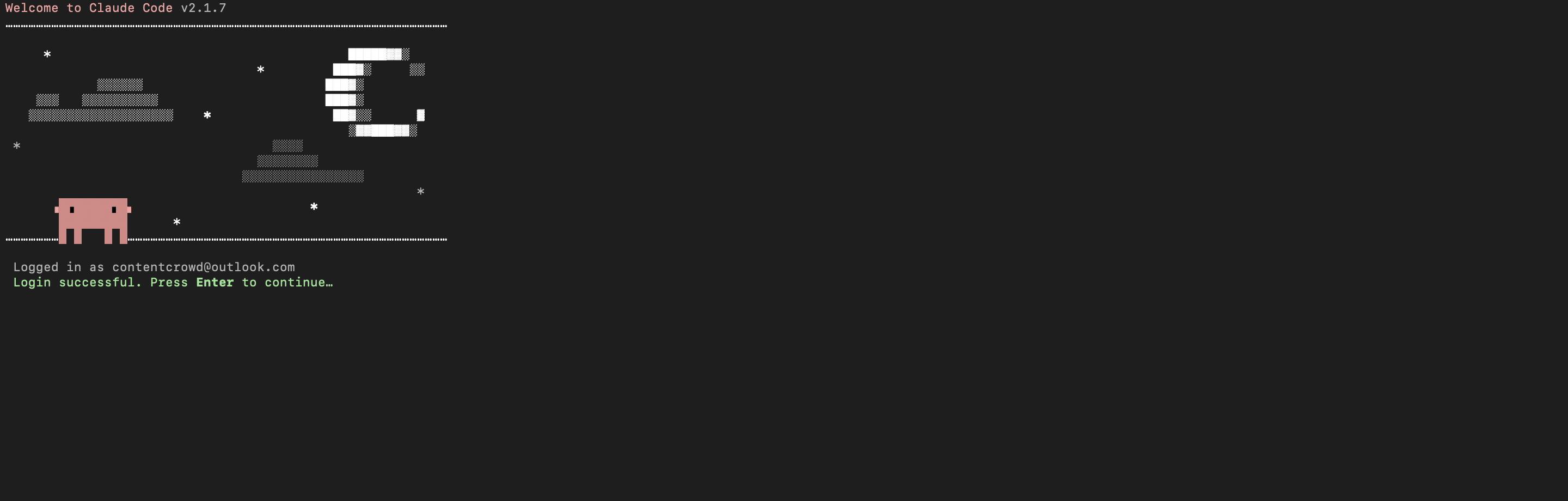
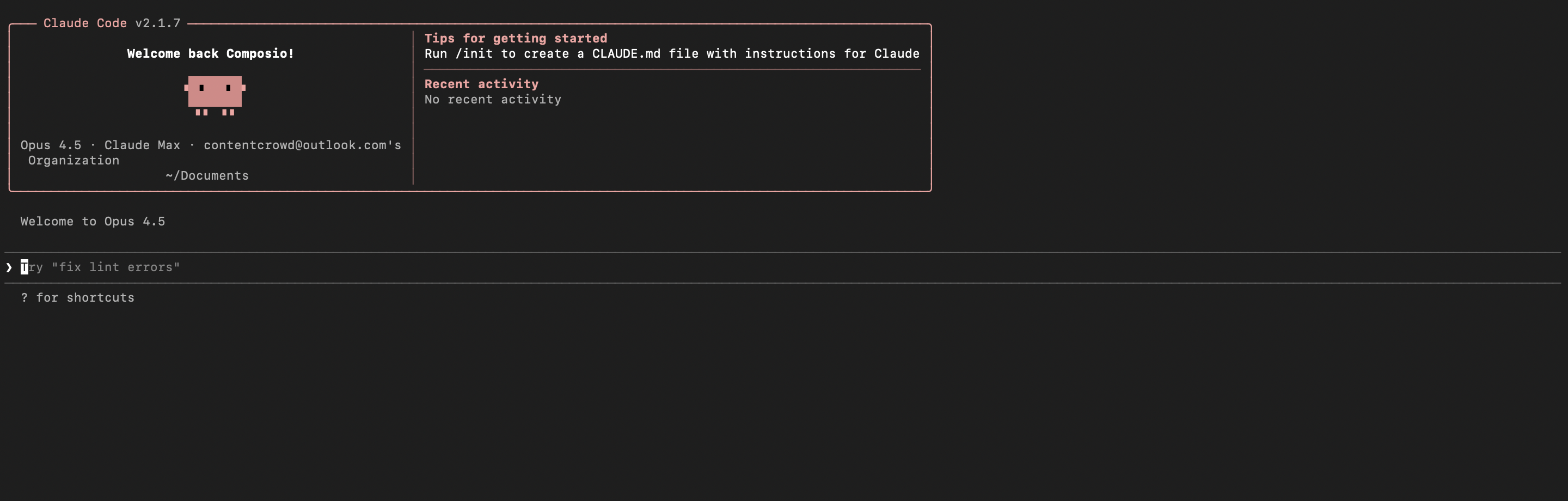
Claude Code initial setup showing sign-in prompt
Claude Code terminal after successful login

Set up environment variables

bash
COMPOSIO_API_KEY=your_composio_api_key_here
USER_ID=your_user_id_here

Create a .env file in your project root with the following variables:

  • COMPOSIO_API_KEY authenticates with Composio (get it from Composio dashboard)
  • USER_ID identifies the user for session management (use any unique identifier)

Install Composio library

pip install composio-core python-dotenv

Install the Composio Python library to create MCP sessions.

  • composio-core provides the core Composio functionality
  • python-dotenv loads environment variables from your .env file

Generate Composio MCP URL

import os
from composio import Composio
from dotenv import load_dotenv

load_dotenv()

COMPOSIO_API_KEY = os.getenv("COMPOSIO_API_KEY")
USER_ID = os.getenv("USER_ID")

composio_client = Composio(api_key=COMPOSIO_API_KEY)

composio_session = composio_client.create(
    user_id=USER_ID,
    toolkits=["svix"],
)

COMPOSIO_MCP_URL = composio_session.mcp.url

print(f"MCP URL: {COMPOSIO_MCP_URL}")
print(f"\nUse this command to add to Claude Code:")
print(f'claude mcp add --transport http svix-composio "{COMPOSIO_MCP_URL}" --headers "X-API-Key:{COMPOSIO_API_KEY}"')

Create a script to generate a Composio MCP URL for Svix. This URL will be used to connect Claude Code to Svix.

What's happening:

  • We import the Composio client and load environment variables
  • Create a Composio instance with your API key
  • Call create() to create a Tool Router session for Svix
  • The returned mcp.url is the MCP server URL that Claude Code will use
  • The script prints this URL so you can copy it

Run the script and copy the MCP URL

python generate_mcp_url.py

Run your Python script to generate the MCP URL.

  • The script connects to Composio and creates a Tool Router session
  • It prints the MCP URL and the exact command you need to run
  • Copy the entire claude mcp add command from the output

Add Svix MCP to Claude Code

bash
claude mcp add --transport http svix-composio "YOUR_MCP_URL_HERE" --headers "X-API-Key:YOUR_COMPOSIO_API_KEY"

# Then restart Claude Code
exit
claude

In your terminal, add the MCP server using the command from the previous step. The command format is:

  • claude mcp add registers a new MCP server with Claude Code
  • --transport http specifies that this is an HTTP-based MCP server
  • The server name (svix-composio) is how you'll reference it
  • The URL points to your Composio Tool Router session
  • --headers includes your Composio API key for authentication

After running the command, close the current Claude Code session and start a new one for the changes to take effect.

Verify the installation

bash
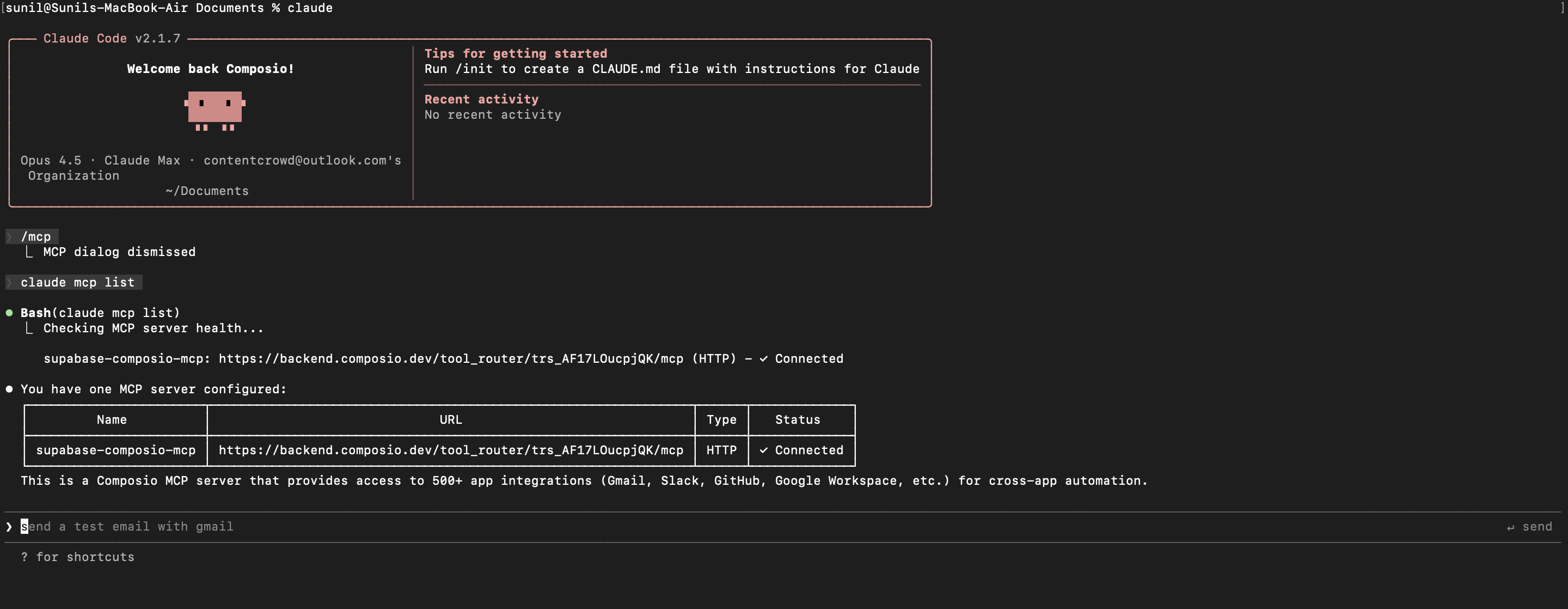
claude mcp list

Check that your Svix MCP server is properly configured.

  • This command lists all MCP servers registered with Claude Code
  • You should see your svix-composio entry in the list
  • This confirms that Claude Code can now access Svix tools

If everything is wired up, you should see your svix-composio entry listed:

Claude Code MCP list showing the toolkit MCP server

Authenticate Svix

The first time you try to use Svix tools, you'll be prompted to authenticate.

  • Claude Code will detect that you need to authenticate with Svix
  • It will show you an authentication link
  • Open the link in your browser (or copy/paste it)
  • Complete the Svix authorization flow
  • Return to the terminal and start using Svix through Claude Code

Once authenticated, you can ask Claude Code to perform Svix operations in natural language. For example:

  • "List all webhook endpoints for app X"
  • "Create a new webhook endpoint for payments"
  • "Update application rate limit to 1000/min"

Complete Code

Here's the complete code to get you started with Svix and Claude Code:

import os
from composio import Composio
from dotenv import load_dotenv

load_dotenv()

COMPOSIO_API_KEY = os.getenv("COMPOSIO_API_KEY")
USER_ID = os.getenv("USER_ID")

composio_client = Composio(api_key=COMPOSIO_API_KEY)

composio_session = composio_client.create(
    user_id=USER_ID,
    toolkits=["svix"],
)

COMPOSIO_MCP_URL = composio_session.mcp.url

print(f"MCP URL: {COMPOSIO_MCP_URL}")
print(f"\nUse this command to add to Claude Code:")
print(f'claude mcp add --transport http svix-composio "{COMPOSIO_MCP_URL}" --headers "X-API-Key:{COMPOSIO_API_KEY}"')

Conclusion

You've successfully integrated Svix with Claude Code using Composio's MCP server. Now you can interact with Svix directly from your terminal using natural language commands.

Key features of this setup:

  • Terminal-native experience without switching contexts
  • Natural language commands for Svix operations
  • Secure authentication through Composio's managed MCP
  • Tool Router for dynamic tool discovery and execution

Next steps:

  • Try asking Claude Code to perform various Svix operations
  • Add more toolkits to your Tool Router session for multi-app workflows
  • Integrate this setup into your development workflow for increased productivity

You can extend this by adding more toolkits, implementing custom workflows, or building automation scripts that leverage Claude Code's capabilities.

How to build Svix MCP Agent with another framework

FAQ

What are the differences in Tool Router MCP and Svix MCP?

With a standalone Svix MCP server, the agents and LLMs can only access a fixed set of Svix tools tied to that server. However, with the Composio Tool Router, agents can dynamically load tools from Svix and many other apps based on the task at hand, all through a single MCP endpoint.

Can I use Tool Router MCP with Claude Code?

Yes, you can. Claude Code fully supports MCP integration. You get structured tool calling, message history handling, and model orchestration while Tool Router takes care of discovering and serving the right Svix tools.

Can I manage the permissions and scopes for Svix while using Tool Router?

Yes, absolutely. You can configure which Svix scopes and actions are allowed when connecting your account to Composio. You can also bring your own OAuth credentials or API configuration so you keep full control over what the agent can do.

How safe is my data with Composio Tool Router?

All sensitive data such as tokens, keys, and configuration is fully encrypted at rest and in transit. Composio is SOC 2 Type 2 compliant and follows strict security practices so your Svix data and credentials are handled as safely as possible.

Used by agents from

Context
Letta
glean
HubSpot
Agent.ai
Altera
DataStax
Entelligence
Rolai
Context
Letta
glean
HubSpot
Agent.ai
Altera
DataStax
Entelligence
Rolai
Context
Letta
glean
HubSpot
Agent.ai
Altera
DataStax
Entelligence
Rolai

Never worry about agent reliability

We handle tool reliability, observability, and security so you never have to second-guess an agent action.