How to integrate Google Calendar MCP with ChatGPT

Trusted by teams atAWSGleanZoomAirtable

30 min · no commitment · see it on your stack

Google Calendar logo
ChatGPT logo
divider

How to integrate Google Calendar MCP with ChatGPT

ChatGPT is one of the most popular AI tools today, with capabilities ranging from deep research and image generation to writing, coding, and everyday productivity.

In this guide, I will explain the easiest and most secure way to connect your Google Calendar account to ChatGPT via Composio Connect, so it can summarize unread updates from this morning, create draft replies to urgent messages, fetch contact details for recent senders, and more without ever putting your account credentials at risk.

Also integrate Google Calendar with

Why use Composio over default connectors?

  • Apps with read and write access. Default connectors mostly can read your data. Composio's Google Calendar integration lets ChatGPT take actions like creating drafts, sending updates, labeling records, and more.
  • 1,000+ SaaS toolkits out of the box. Composio gives you instant access to a vast catalog of pre-built connectors, from Gmail and Slack to Notion, Linear, and Salesforce.
  • One MCP server for every app. Connect any of your applications on demand through a single endpoint, rather than juggling a separate server for each app.
  • Smart, context-aware tool loading. Unlike traditional MCP servers that dump every available tool into the LLM context window, Composio searches for and loads only the tools relevant to the task at hand.
  • Cross-app automation. Chain actions across multiple apps in a single run - fetch a thread, summarize it in Notion, and post highlights to Slack without leaving the conversation.

Prerequisites

  • A ChatGPT account with Plus subscription or higher (Business, Enterprise, Edu, or Pro). We will use ChatGPT Web.
  • Access to the Google Calendar workspace you want to connect.
  • Composio MCP.

Note: Composio connects through OAuth. You will be asked to sign in and approve specific permissions. Review the permission screen carefully if you are using a work account.

Step-by-step: Connect Google Calendar to ChatGPT

1. Enable Developer Mode

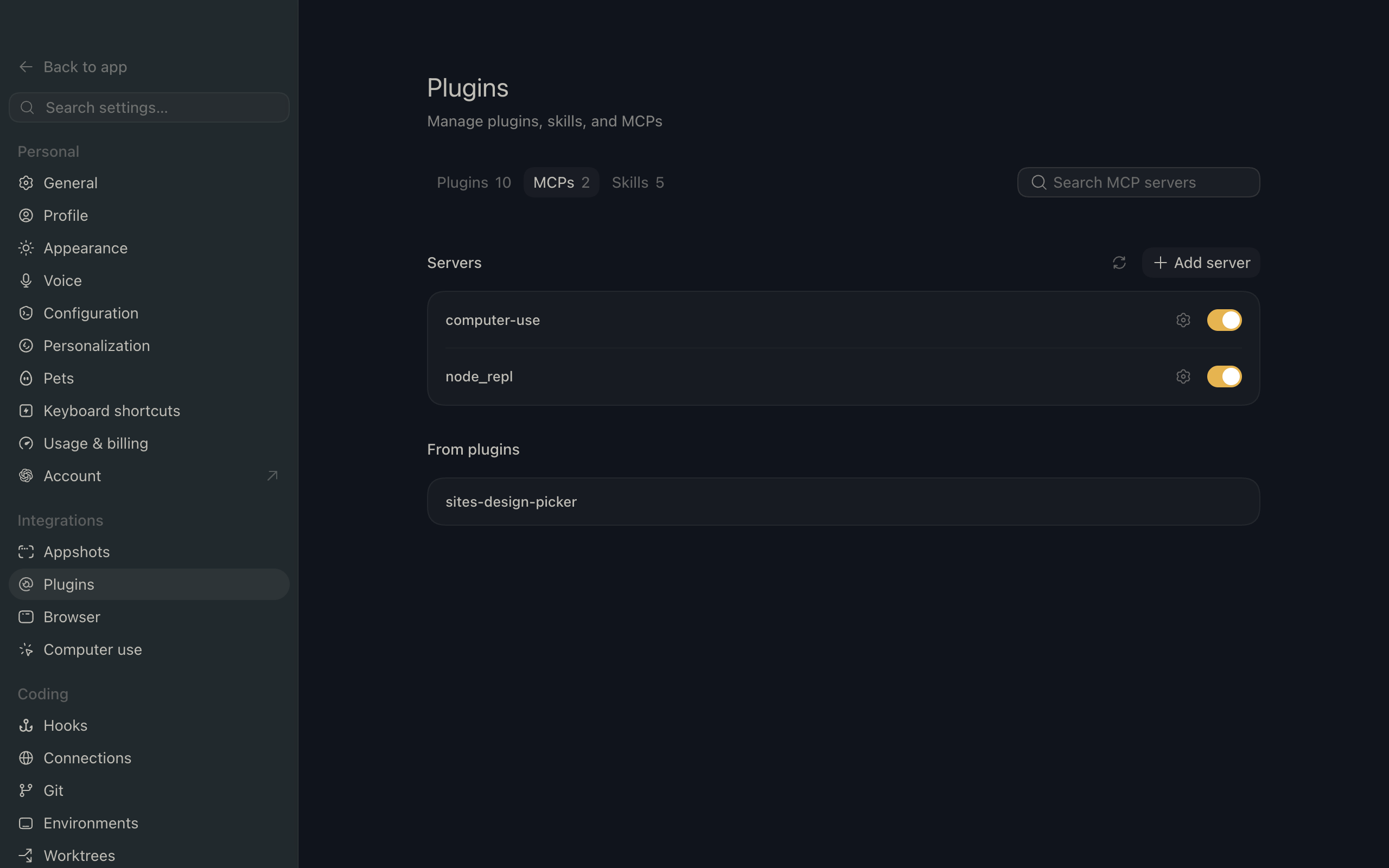
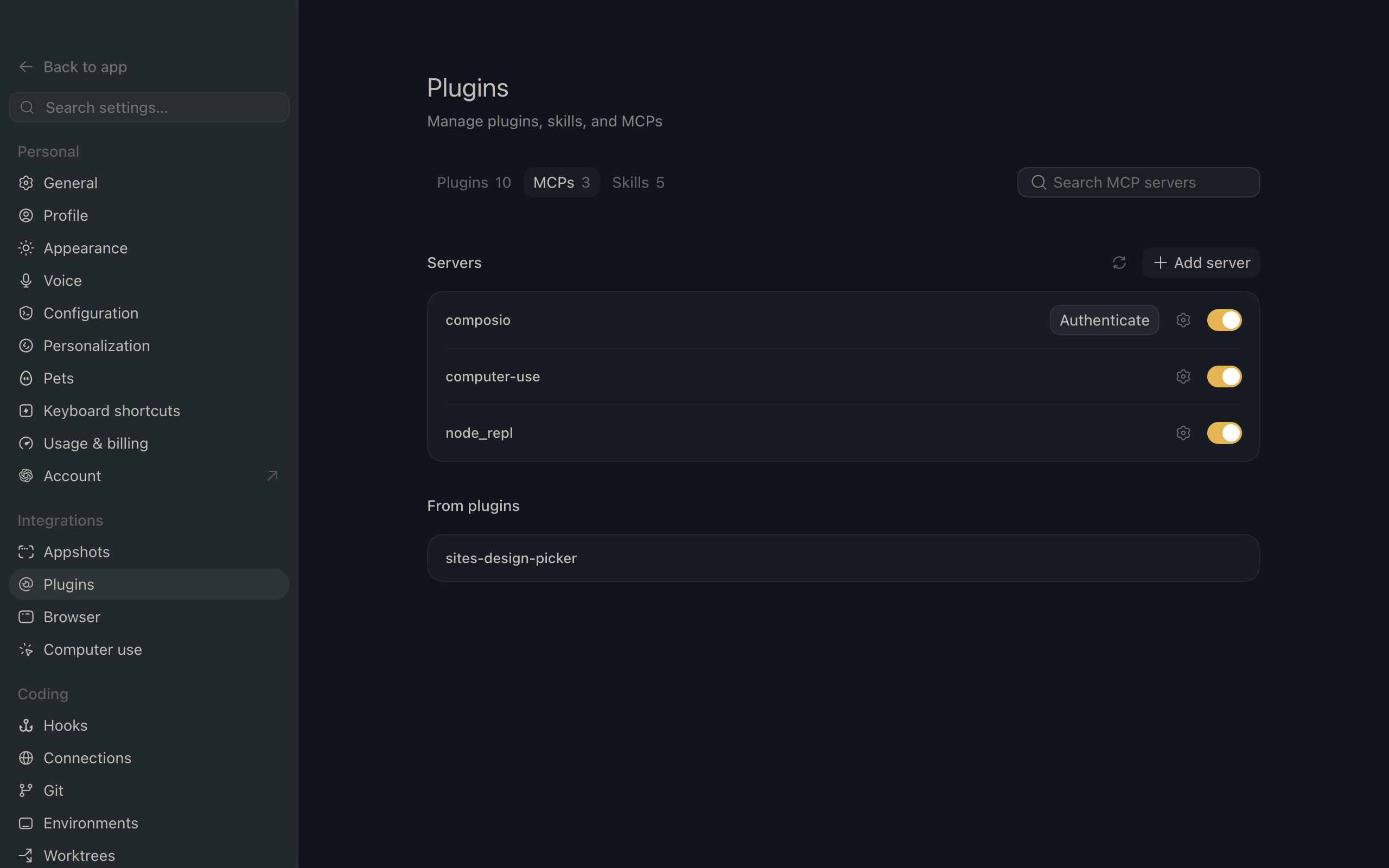
In ChatGPT, go to Settings > Apps > Advanced settings and turn on Developer Mode.

ChatGPT settings showing Developer Mode toggle

2. Add the MCP server

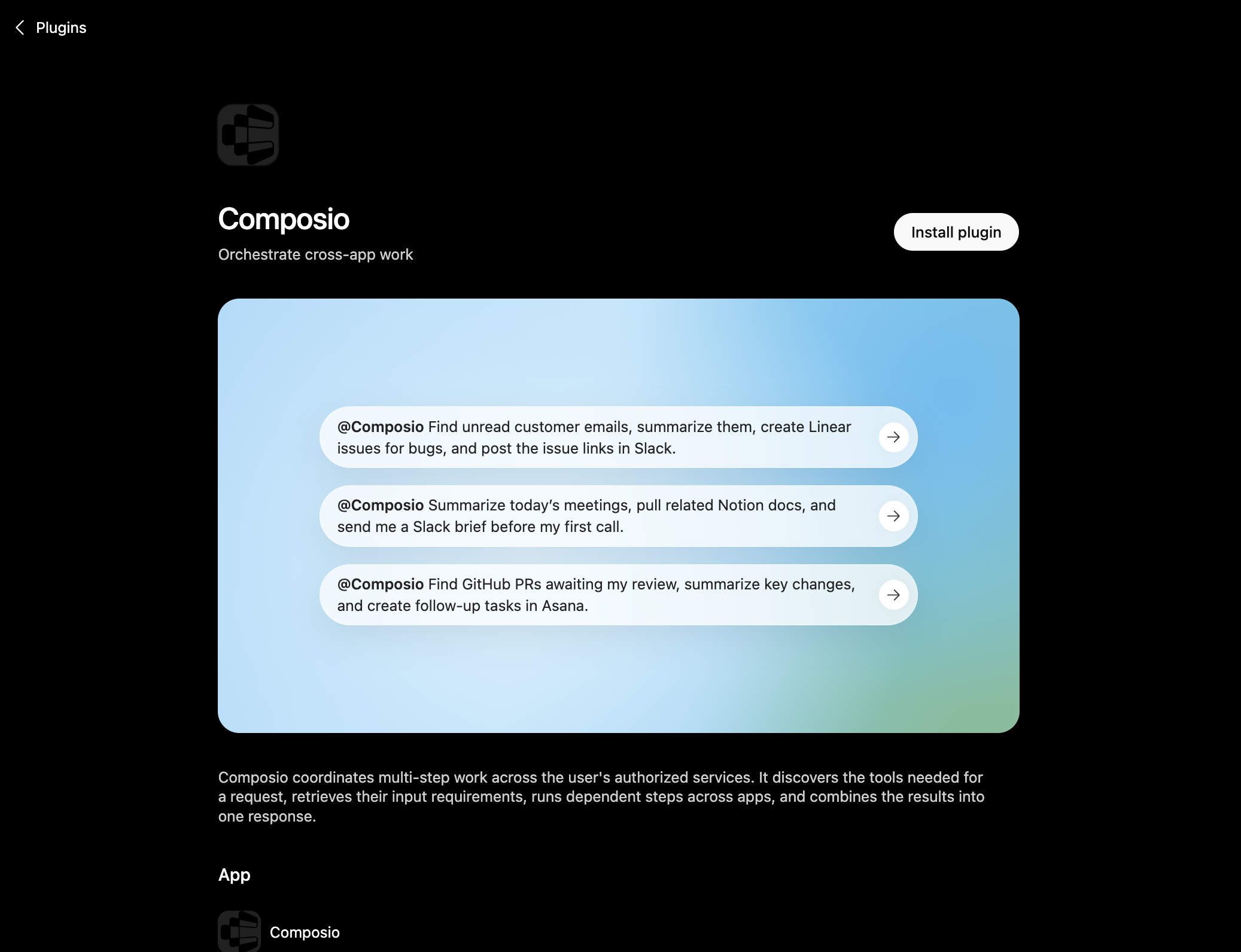
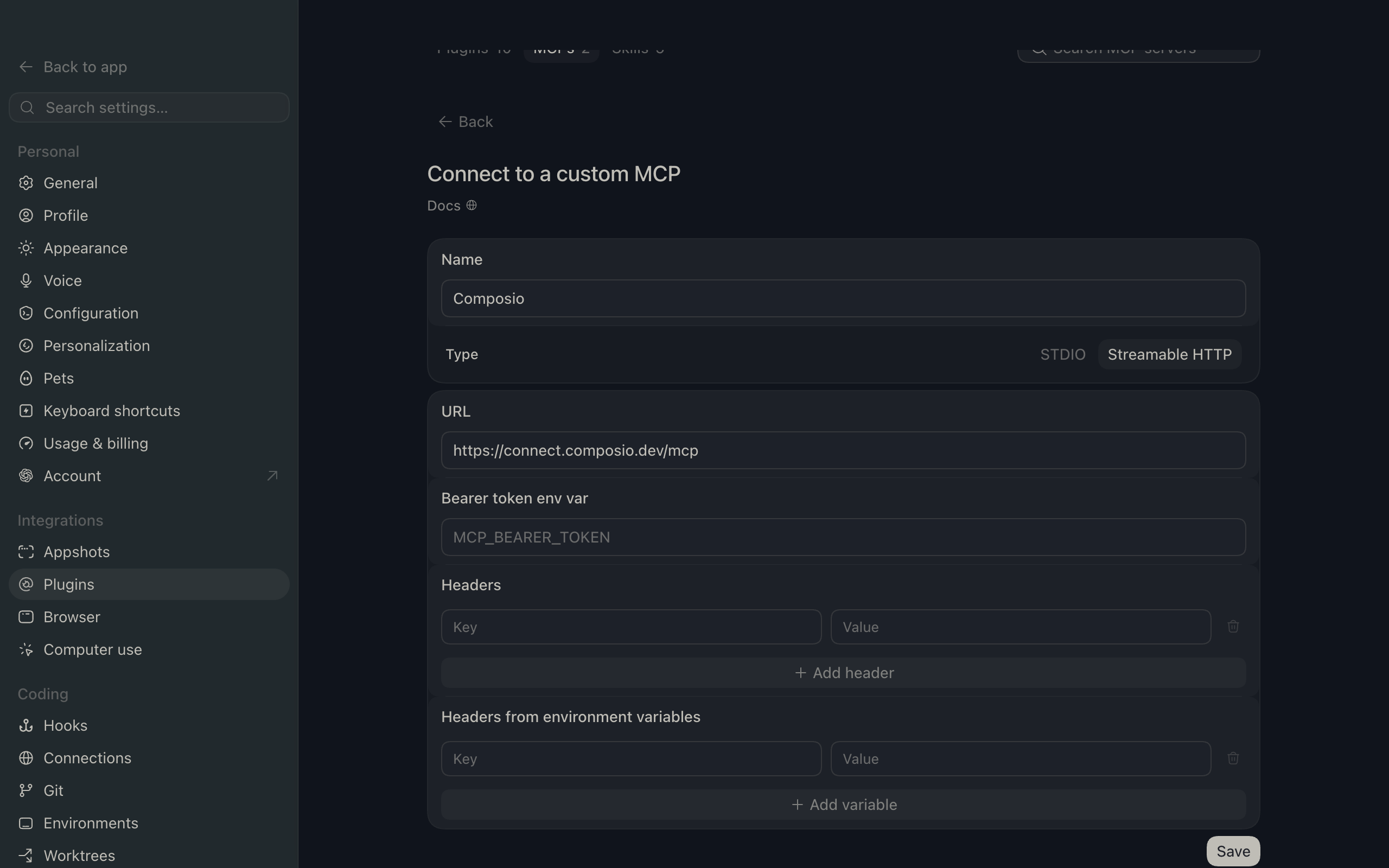
Click Create app, then paste the Composio MCP server URL:

bash
https://connect.composio.dev/mcp
ChatGPT create app flow with Composio MCP URL

3. Authorize in your browser

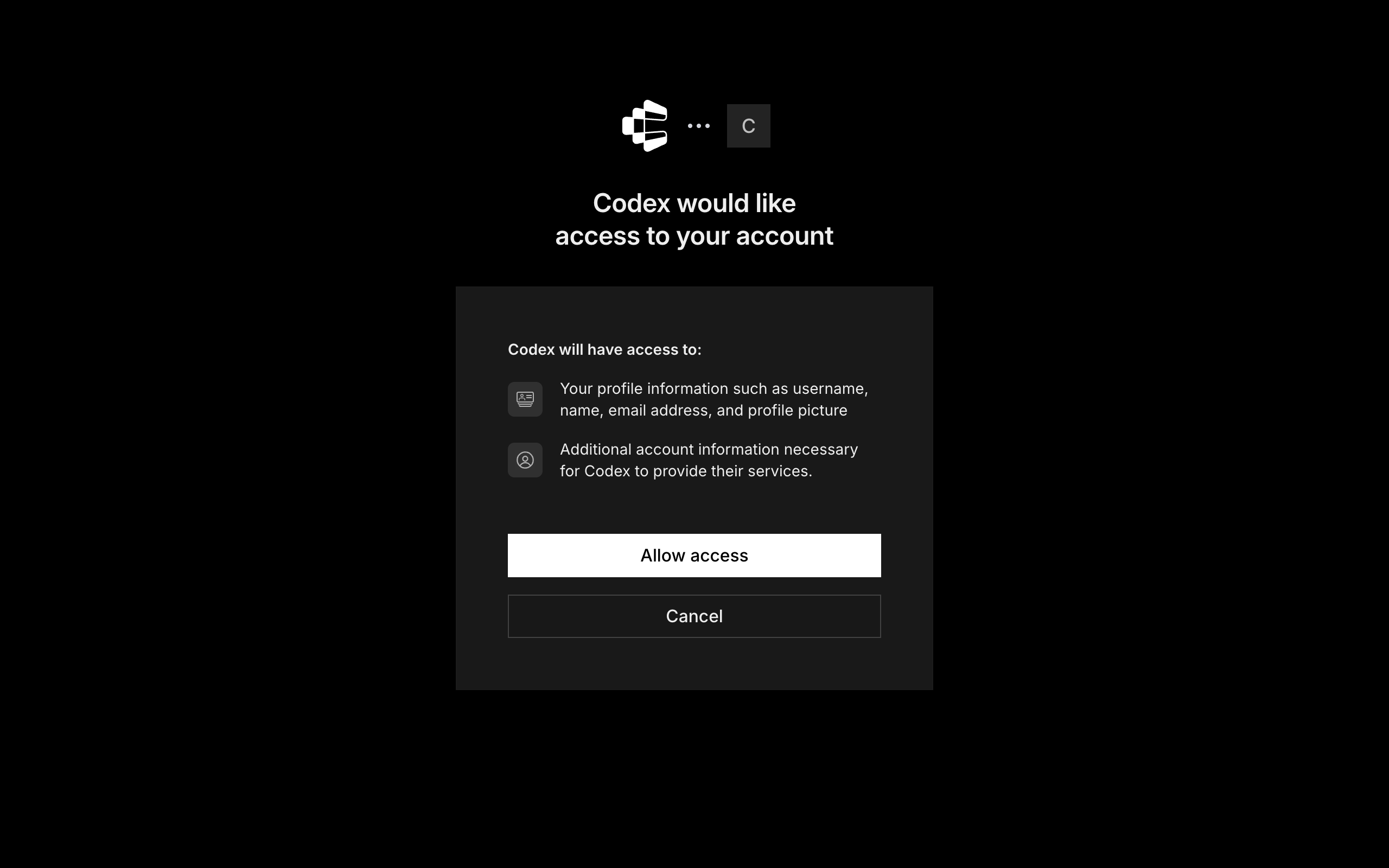
A browser window will open automatically. Sign in to authorize ChatGPT to access your Composio account.

Composio authorization screen for ChatGPT MCP setup

4. Start using Composio

Composio tools are now available in ChatGPT chats and Deep Research. In every new chat, click the + icon at the bottom, click More, and select Composio to enable tools for that conversation.

What you can do after connecting Google Calendar

  • Create a meeting with the marketing team
  • List all events scheduled for next week
  • Delete tomorrow’s canceled event from your calendar
  • Update the time for Friday’s project sync

Security + privacy notes (important)

  • Use least-privilege access: Only grant permissions you actually need.
  • Review OAuth permissions before approving: Make sure requested scopes match what you expect Composio and ChatGPT to do.
  • Keep write actions human-reviewed: For actions like sending messages, creating labels, or editing drafts, keep manual confirmation enabled.
  • Be careful with sensitive data: Avoid using this setup with highly sensitive information unless allowed by your personal, company, or client policies.

Supported Tools & Triggers

Tools
Triggers
Insert Calendar into ListInserts an existing calendar into the user's calendar list.
Update Calendar List EntryUpdates an existing entry on the user\'s calendar list.
Delete CalendarDeletes a secondary calendar.
Update CalendarUpdates metadata for a calendar.
Clear CalendarClears a primary calendar.
Create EventCreates an event on a google calendar, needing rfc3339 utc start/end times (end after start) and write access to the calendar.
Delete eventDeletes a specified event by `event id` from a google calendar (`calendar id`); this action is idempotent and raises a 404 error if the event is not found.
Create a calendarCreates a new, empty google calendar with the specified title (summary).
Get Event InstancesReturns instances of the specified recurring event.
List EventsReturns events on the specified calendar.
Move EventMoves an event to another calendar, i.
Watch EventsWatch for changes to events resources.
Find eventFinds events in a specified google calendar using text query, time ranges (event start/end, last modification), and event types; ensure `timemin` is not chronologically after `timemax` if both are provided.
Find free slotsFinds free/busy time slots in google calendars for specified calendars within a defined time range (defaults to the current day utc if `time min`/`time max` are omitted), enhancing busy intervals with event details; `time min` must precede `time max` if both are provided.
Query Free/Busy InformationReturns free/busy information for a set of calendars.
Get Google CalendarRetrieves a specific google calendar, identified by `calendar id`, to which the authenticated user has access.
Get current date and timeGets the current date and time, allowing for a specific timezone offset.
List ACL RulesRetrieves the list of access control rules (acls) for a specified calendar, providing the necessary 'rule id' values required for updating specific acl rules.
List Google CalendarsRetrieves calendars from the user's google calendar list, with options for pagination and filtering.
Patch CalendarPartially updates (patches) an existing google calendar, modifying only the fields provided; `summary` is mandatory and cannot be an empty string, and an empty string for `description` or `location` clears them.
Patch EventUpdates specified fields of an existing event in a google calendar using patch semantics (array fields like `attendees` are fully replaced if provided); ensure the `calendar id` and `event id` are valid and the user has write access to the calendar.
Quick Add EventParses natural language text to quickly create a basic google calendar event with its title, date, and time, suitable for simple scheduling; does not support direct attendee addition or recurring events, and `calendar id` must be valid if not 'primary'.
Remove attendee from eventRemoves an attendee from a specified event in a google calendar; the calendar and event must exist.
List SettingsReturns all user settings for the authenticated user.
Watch SettingsWatch for changes to settings resources.
Sync EventsSynchronizes google calendar events, performing a full sync if no `sync token` is provided or if a 410 gone error (due to an expired token) necessitates it, otherwise performs an incremental sync for events changed since the `sync token` was issued.
Update ACL RuleUpdates an access control rule for the specified calendar.
Update Google eventUpdates an existing event by `event id` in a google calendar; this is a full put replacement, so provide all desired fields as unspecified ones may be cleared or reset.

How to build Google Calendar MCP Agent with another framework

FAQ

What are the differences in Tool Router MCP and Google Calendar MCP?

With a standalone Google Calendar MCP server, the agents and LLMs can only access a fixed set of Google Calendar tools tied to that server. However, with the Composio Tool Router, agents can dynamically load tools from Google Calendar and many other apps based on the task at hand, all through a single MCP endpoint.

Can I use Tool Router MCP with ChatGPT?

Yes, you can. ChatGPT fully supports MCP integration. You get structured tool calling, message history handling, and model orchestration while Tool Router takes care of discovering and serving the right Google Calendar tools.

Can I manage the permissions and scopes for Google Calendar while using Tool Router?

Yes, absolutely. You can configure which Google Calendar scopes and actions are allowed when connecting your account to Composio. You can also bring your own OAuth credentials or API configuration so you keep full control over what the agent can do.

How safe is my data with Composio Tool Router?

All sensitive data such as tokens, keys, and configuration is fully encrypted at rest and in transit. Composio is SOC 2 Type 2 compliant and follows strict security practices so your Google Calendar data and credentials are handled as safely as possible.

Used by agents from

Context
Letta
glean
HubSpot
Agent.ai
Altera
DataStax
Entelligence
Rolai
Context
Letta
glean
HubSpot
Agent.ai
Altera
DataStax
Entelligence
Rolai
Context
Letta
glean
HubSpot
Agent.ai
Altera
DataStax
Entelligence
Rolai

Never worry about agent reliability

We handle tool reliability, observability, and security so you never have to second-guess an agent action.