How to integrate Lodgify MCP with Claude Code

Connect Claude Code to Lodgify MCP. Show available dates for property 1234, list all airbnb channel reservations this week, and more using natural language, with authentication handled for you.

Lodgify logoLodgify
Api KeyOauth2

Lodgify is an all-in-one vacation rental software for property managers and owners. It centralizes bookings, guest messaging, and channel synchronization in one dashboard.

30 Tools

Introduction

Manage your Lodgify directly from Claude Code with zero worries about OAuth hassles, API-breaking issues, or reliability and security concerns.

You can do this in two different ways:

  1. Via Composio Connect - Direct and easiest approach
  2. Via Composio SDK - Programmatic approach with more control

For exact tool slugs and parameter tables, see the tool catalog in the Composio docs.

Also integrate Lodgify with

Why use Composio?

  • Only one MCP URL to connect multiple apps with Claude Code with zero auth hassles.
  • Programmatic tool calling allows LLMs to write its code in a remote workbench to handle complex tool chaining. Reduces to-and-fro with LLMs for frequent tool calling.
  • Handling Large tool responses out of LLM context to minimize context rot.
  • Dynamic just-in-time access to 20,000 tools across 1700+ other Apps for cross-app workflows. It loads the tools you need, so LLMs aren't overwhelmed by tools you don't need.

Connecting Lodgify to Claude Code using Composio

1. Add the Composio MCP to Claude

Terminal

2. Start Claude Code

bash
claude

3. Open your MCP list

bash
/mcp

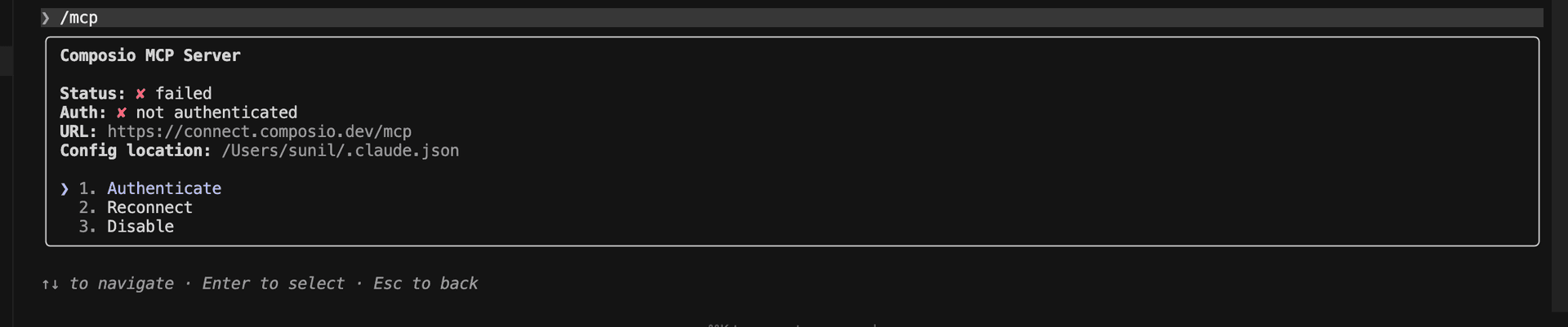
4. Select Composio and click on Authenticate

Select Composio and click Authenticate

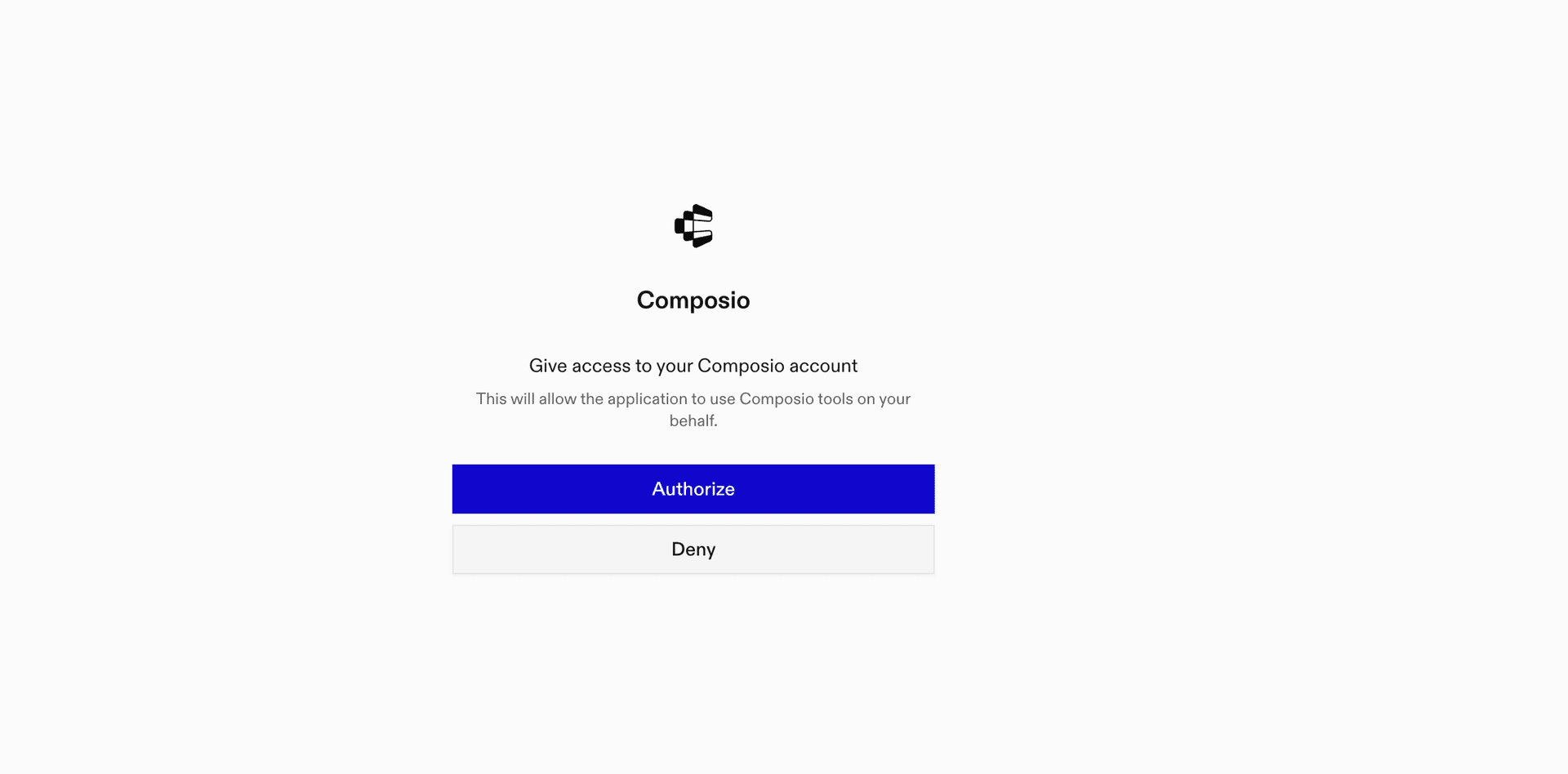
5. This will redirect you to the Composio OAuth page. Complete the flow by authorizing Composio and you're all set.

Composio OAuth authorization page
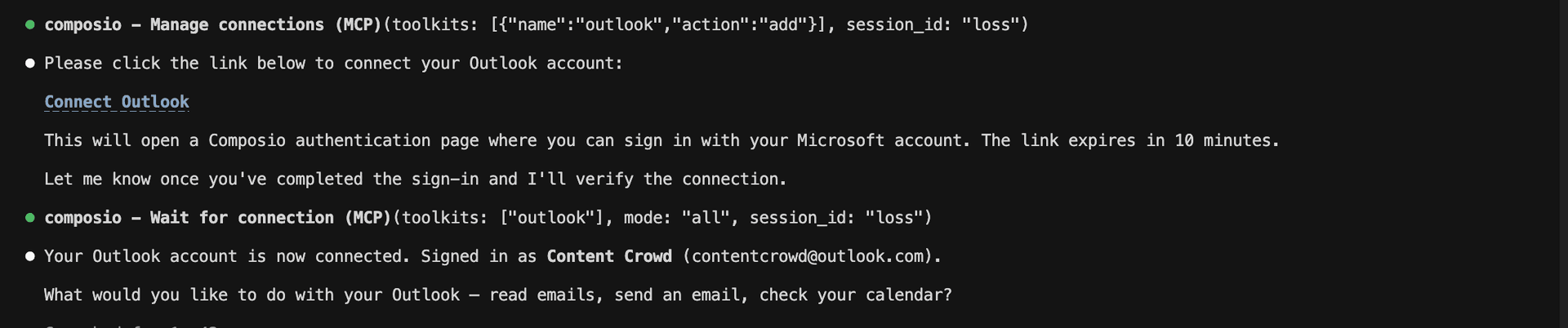
Composio authorization complete
Ask Claude to connect to your account and authenticate via the link

What is the Lodgify MCP server, and what's possible with it?

The Lodgify MCP server is an implementation of the Model Context Protocol that connects your AI agent and assistants like Claude, Cursor, etc directly to your Lodgify account. It provides structured and secure access to your vacation rental properties, channels, and reservations, so your agent can perform actions like checking property availability, synchronizing channel data, retrieving reservations, and managing listings on your behalf.

  • Property availability checks: Instantly ask your agent to retrieve up-to-date availability information for any property, including pricing, minimum stay requirements, and current bookings.
  • Reservation management across channels: Let your agent list and filter reservations from all your connected channels, making it easy to track bookings and guest details in one place.
  • Channel synchronization and connection insights: Effortlessly pull a list of all channel connections and mappings, ensuring your property data stays in sync across platforms like Airbnb, Booking.com, and more.
  • Property portfolio overview: Quickly retrieve and paginate through all your properties, so you can get a comprehensive view of your listings and manage them at scale.
  • Supported country and channel discovery: Have your agent fetch supported countries and available channels to help with onboarding new properties or expanding your rental business.

Connecting Lodgify via Composio SDK

Composio SDK is the underlying technology that powers these integrations. It provides a universal gateway with full programmatic control. You can programmatically generate an MCP URL with the app you need (here Lodgify) for even more tool search precision. It's secure and reliable.

How the Composio SDK works

The Composio SDK follows a three-phase workflow:

  1. Discovery: Searches for tools matching your task and returns relevant toolkits with their details.
  2. Authentication: Checks for active connections. If missing, creates an auth config and returns a connection URL via Auth Link.
  3. Execution: Executes the action using the authenticated connection.

Step-by-step Guide

Step by step10 STEPS
1

Prerequisites

Before starting, make sure you have:
  • Claude Pro, Max, or API billing enabled Anthropic account
  • Composio API Key
  • A Lodgify account
  • Basic knowledge of Python or TypeScript
2

Install Claude Code

bash
# macOS, Linux, WSL
curl -fsSL https://claude.ai/install.sh | bash

# Windows PowerShell
irm https://claude.ai/install.ps1 | iex

# Windows CMD
curl -fsSL https://claude.ai/install.cmd -o install.cmd && install.cmd && del install.cmd

To install Claude Code, use one of the following methods based on your operating system:

3

Set up Claude Code

bash
cd your-project-folder
claude

Open a terminal, go to your project folder, and start Claude Code:

  • Claude Code will open in your terminal
  • Follow the prompts to sign in with your Anthropic account
  • Complete the authentication flow
  • Once authenticated, you can start using Claude Code
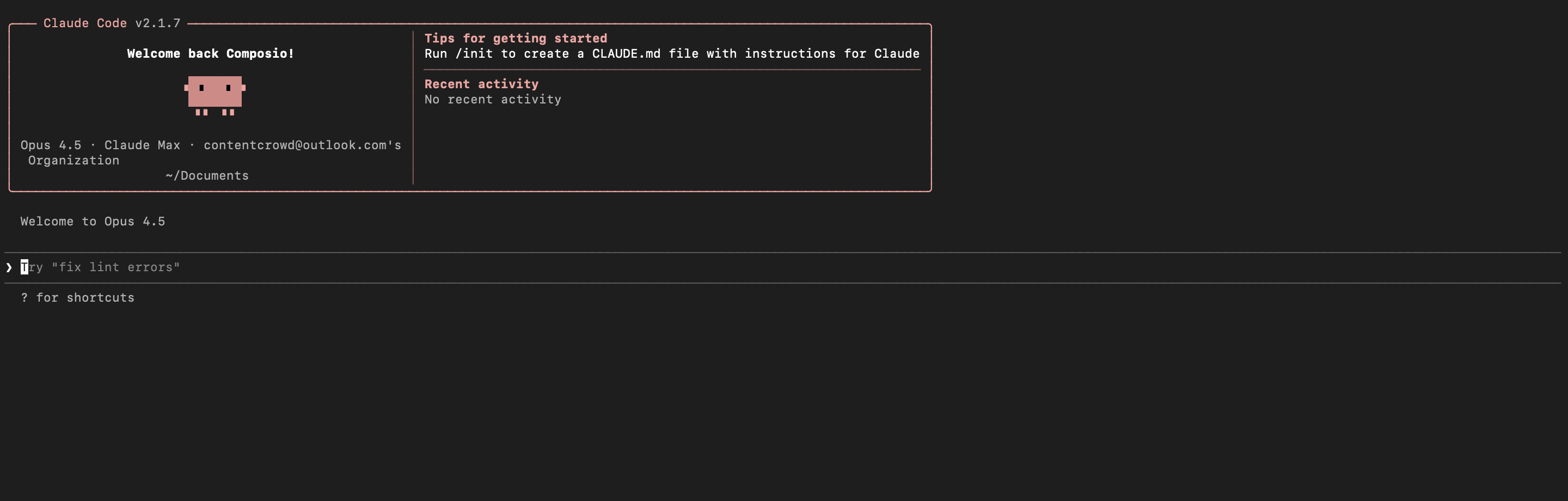
Claude Code initial setup showing sign-in prompt
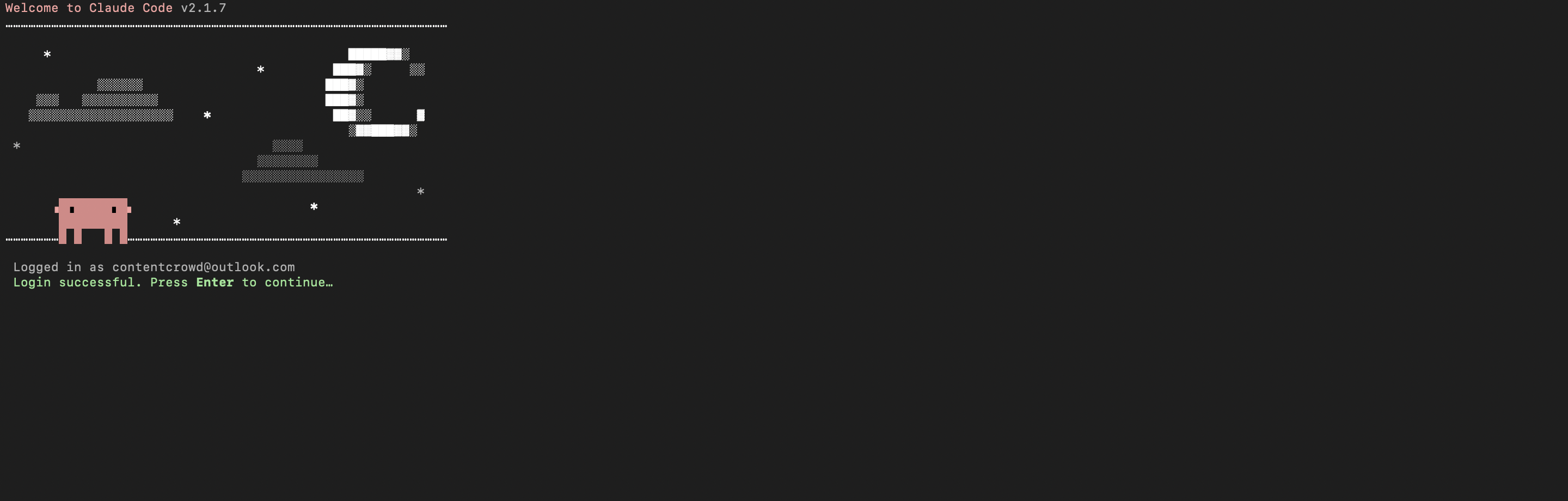
Claude Code terminal after successful login
4

Set up environment variables

bash
COMPOSIO_API_KEY=your_composio_api_key_here
USER_ID=your_user_id_here

Create a .env file in your project root with the following variables:

  • COMPOSIO_API_KEY authenticates with Composio (get it from Composio dashboard)
  • USER_ID identifies the user for session management (use any unique identifier)
5

Install Composio library

npm install @composio/core dotenv

Install the Composio TypeScript library to create MCP sessions.

  • @composio/core provides the core Composio functionality
  • dotenv loads environment variables from your .env file
6

Generate Composio MCP URL

import 'dotenv/config';
import { Composio } from '@composio/core';

const { COMPOSIO_API_KEY, USER_ID } = process.env;

if (!COMPOSIO_API_KEY || !USER_ID) {
  throw new Error('COMPOSIO_API_KEY and USER_ID required in .env');
}

const composioClient = new Composio({ apiKey: COMPOSIO_API_KEY });

const composioSession = await composioClient.create(USER_ID, {
  toolkits: ['lodgify'],
});

const composioMcpUrl = composioSession?.mcp.url;

console.log(`MCP URL: ${composioMcpUrl}`);
console.log(`\nUse this command to add to Claude Code:`);
console.log(`claude mcp add --transport http lodgify-composio "${composioMcpUrl}" --headers "X-API-Key:${COMPOSIO_API_KEY}"`);

Create a script to generate a Composio MCP URL for Lodgify. This URL will be used to connect Claude Code to Lodgify.

What's happening

  • We import the Composio client and load environment variables
  • Create a Composio instance with your API key
  • Call create() to create a Tool Router session for Lodgify
  • The returned mcp.url is the MCP server URL that Claude Code will use
  • The script prints this URL so you can copy it
7

Run the script and copy the MCP URL

node --loader ts-node/esm generate_mcp_url.ts
# or if using tsx
tsx generate_mcp_url.ts

Run your TypeScript script to generate the MCP URL.

  • The script connects to Composio and creates a Tool Router session
  • It prints the MCP URL and the exact command you need to run
  • Copy the entire claude mcp add command from the output
8

Add Lodgify MCP to Claude Code

bash
claude mcp add --transport http lodgify-composio "YOUR_MCP_URL_HERE" --headers "X-API-Key:YOUR_COMPOSIO_API_KEY"

# Then restart Claude Code
exit
claude

In your terminal, add the MCP server using the command from the previous step. The command format is:

  • claude mcp add registers a new MCP server with Claude Code
  • --transport http specifies that this is an HTTP-based MCP server
  • The server name (lodgify-composio) is how you'll reference it
  • The URL points to your Composio Tool Router session
  • --headers includes your Composio API key for authentication

After running the command, close the current Claude Code session and start a new one for the changes to take effect.

9

Verify the installation

bash
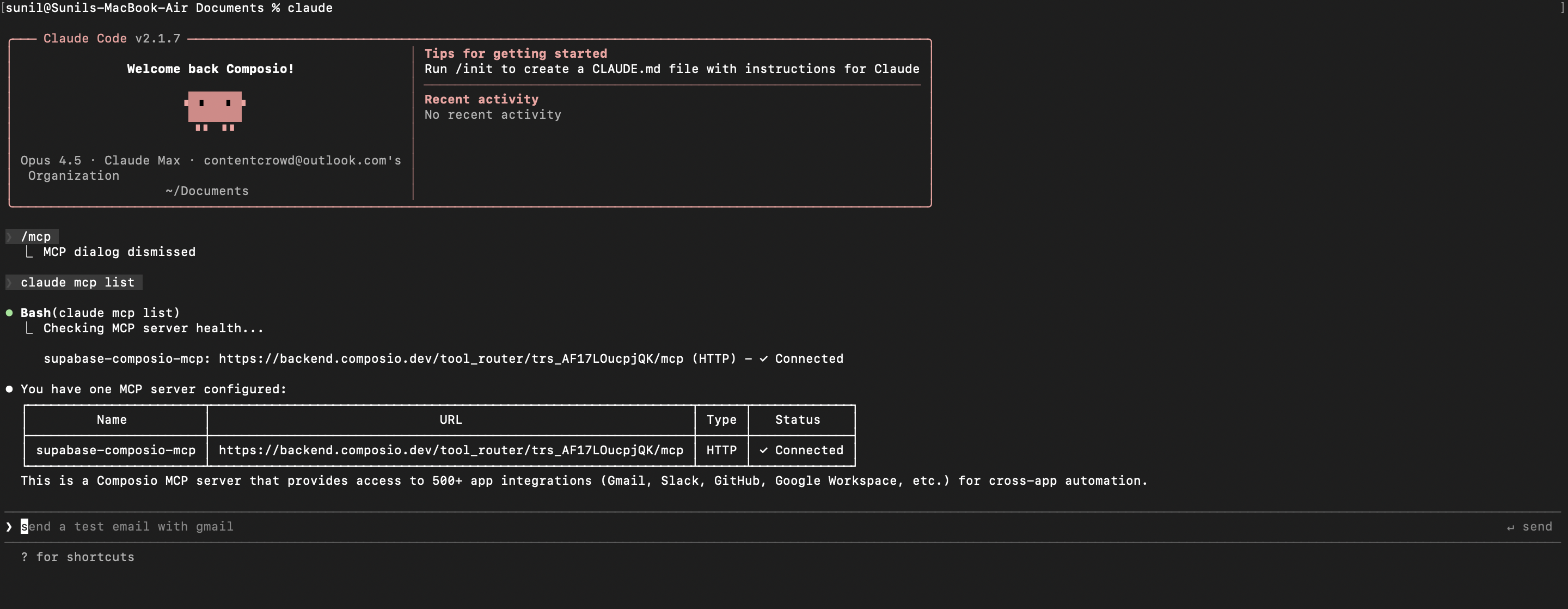
claude mcp list

Check that your Lodgify MCP server is properly configured.

  • This command lists all MCP servers registered with Claude Code
  • You should see your lodgify-composio entry in the list
  • This confirms that Claude Code can now access Lodgify tools

If everything is wired up, you should see your lodgify-composio entry listed:

Claude Code MCP list showing the toolkit MCP server
10

Authenticate Lodgify

The first time you try to use Lodgify tools, you'll be prompted to authenticate.

  • Claude Code will detect that you need to authenticate with Lodgify
  • It will show you an authentication link
  • Open the link in your browser (or copy/paste it)
  • Complete the Lodgify authorization flow
  • Return to the terminal and start using Lodgify through Claude Code

Once authenticated, you can ask Claude Code to perform Lodgify operations in natural language. For example:

  • "Show available dates for property 1234"
  • "List all Airbnb channel reservations this week"
  • "Get all properties managed in my account"

Complete Code

Here's the complete code to get you started with Lodgify and Claude Code:

import 'dotenv/config';
import { Composio } from '@composio/core';

const { COMPOSIO_API_KEY, USER_ID } = process.env;

if (!COMPOSIO_API_KEY || !USER_ID) {
  throw new Error('COMPOSIO_API_KEY and USER_ID required in .env');
}

const composioClient = new Composio({ apiKey: COMPOSIO_API_KEY });

const composioSession = await composioClient.create(USER_ID, {
  toolkits: ['lodgify'],
});

const composioMcpUrl = composioSession?.mcp.url;

console.log(`MCP URL: ${composioMcpUrl}`);
console.log(`\nUse this command to add to Claude Code:`);
console.log(`claude mcp add --transport http lodgify-composio "${composioMcpUrl}" --headers "X-API-Key:${COMPOSIO_API_KEY}"`);

Conclusion

You've successfully integrated Lodgify with Claude Code using Composio's MCP server. Now you can interact with Lodgify directly from your terminal using natural language commands.

Key features of this setup:

  • Terminal-native experience without switching contexts
  • Natural language commands for Lodgify operations
  • Secure authentication through Composio's managed MCP
  • Tool Router for dynamic tool discovery and execution

Next steps:

  • Try asking Claude Code to perform various Lodgify operations
  • Add more toolkits to your Tool Router session for multi-app workflows
  • Integrate this setup into your development workflow for increased productivity

You can extend this by adding more toolkits, implementing custom workflows, or building automation scripts that leverage Claude Code's capabilities.

TOOLS

Supported Tools

Every Lodgify action and event your agent gets out of the box.

Create Call Me Back Request

Creates a Call Me Back request for a guest concerning a property inquiry or booking.

Create Enquiry

Tool to create a new general enquiry with guest and reservation details.

Decline Enquiry

Tool to decline an enquiry, changing its status to Declined.

Delete Enquiry

Tool to delete an enquiry by moving it to the trash.

Delete Reservations

Moves multiple bookings or enquiries to the trash in a single batch operation.

Get Countries

Tool to retrieve all available countries.

Get Country by Code

Tool to retrieve a specific country by its ISO code.

Get Currency By Code

Tool to retrieve currency details by its code.

Get Deleted Properties

Retrieves deleted property IDs, optionally filtered by deletion datetime.

Get External Bookings

Tool to retrieve external bookings for a specific booking ID.

Get Messaging Thread

Tool to retrieve details of a messaging thread.

Get Property Availability

Retrieves availability information for a specific property within a date range.

Get Room Type Availability

Retrieves availability calendar data for a specific room type within a property for a given date range.

Get Unread Count

Retrieves the total count of unread bookings and enquiries.

Get V1 Availability

Retrieves availability information for all properties and room types associated with the authenticated account over a specified date range.

List Channel Connections

Lists channel connections, with optional pagination and status or channel filters.

List Channel Mappings

Lists channel mappings, optionally filtered by property, channel code, or external ID, with pagination.

List Channel Reservations

Lists channel reservations with property, channel, creation-date, limit and offset parameters; a single request may not return all results.

List Channels

Lists available distribution channels in the Lodgify account, including their IDs, names, descriptions, and active status.

List Currencies

Tool to retrieve all available currency codes.

List Properties

Retrieves a paginated list of Lodgify properties, including IDs, names, and addresses when available.

List Reservations

Tool to retrieve a paginated list of bookings and enquiries from the inbox.

List Webhooks

Lists webhook configurations for the Lodgify account, including IDs, event types, and target URLs when available.

Mark Reservations Not Replied

Tool to batch mark bookings and enquiries as not replied.

Mark Reservations Replied

Tool to batch mark bookings or enquiries as replied.

Recover Enquiry

Tool to restore an enquiry that was previously moved to the trash.

Reopen Enquiry

Tool to reopen an enquiry, changing its status to Open.

Set Availability

Updates the number of available units for a specific room type within a date range.

Subscribe to Webhook

Subscribes to a Lodgify webhook by providing a target URL and event type.

Unsubscribe Webhook

Tool to unsubscribe from a Lodgify webhook.

FAQ

Frequently asked questions

Start with Lodgify.It takes 30 seconds.

Managed auth, hosted MCP servers, and every Lodgify tool your agent needs.Free to start.

Start building