How to connect Voiceflow MCP with ChatGPT

Connect ChatGPT to Voiceflow MCP. Start a voiceflow test run now, deploy latest voiceflow version to staging, and more using natural language, with authentication handled for you.

Voiceflow logoVoiceflow
Api Key

Voiceflow is a platform for building, deploying, testing, and analyzing conversational AI agents. Use it to design voice and chat experiences with visual flows and real-time analytics.

20 Tools

How to connect Voiceflow MCP with ChatGPT

ChatGPT can take action across your apps and files, stay with a project for hours, and turn a goal into finished materials like sheets, slides, and docs, not just answers.

In this guide, I will explain the easiest and most secure way to connect your Voiceflow account to ChatGPT via Composio Connect, so it can deploy projects, start test runs, invoke your flows, publish versions, and fetch analytics through natural language commands without ever putting your account credentials at risk.

Also integrate Voiceflow with

Why use Composio over default connectors?

  • Apps with read and write access. Default connectors mostly can read your data. Composio's Voiceflow integration lets ChatGPT take actions like creating drafts, sending updates, labeling records, and more.
  • 1,500+ SaaS toolkits out of the box. Composio gives you instant access to a vast catalog of pre-built connectors, from Gmail and Slack to Notion, Linear, and Salesforce.
  • One MCP server for every app. Connect any of your applications on demand through a single endpoint, rather than juggling a separate server for each app.
  • Smart, context-aware tool loading. Unlike traditional MCP servers that dump every available tool into the LLM context window, Composio searches for and loads only the tools relevant to the task at hand.
  • Cross-app automation. Chain actions across multiple apps in a single run - fetch a thread, summarize it in Notion, and post highlights to Slack without leaving the conversation.

Prerequisites

Note: Composio connects through OAuth. You will be asked to sign in and approve specific permissions. Review the permission screen carefully if you are using a work account.

Step-by-step: Connect Voiceflow to ChatGPT

1. Install the Composio plugin

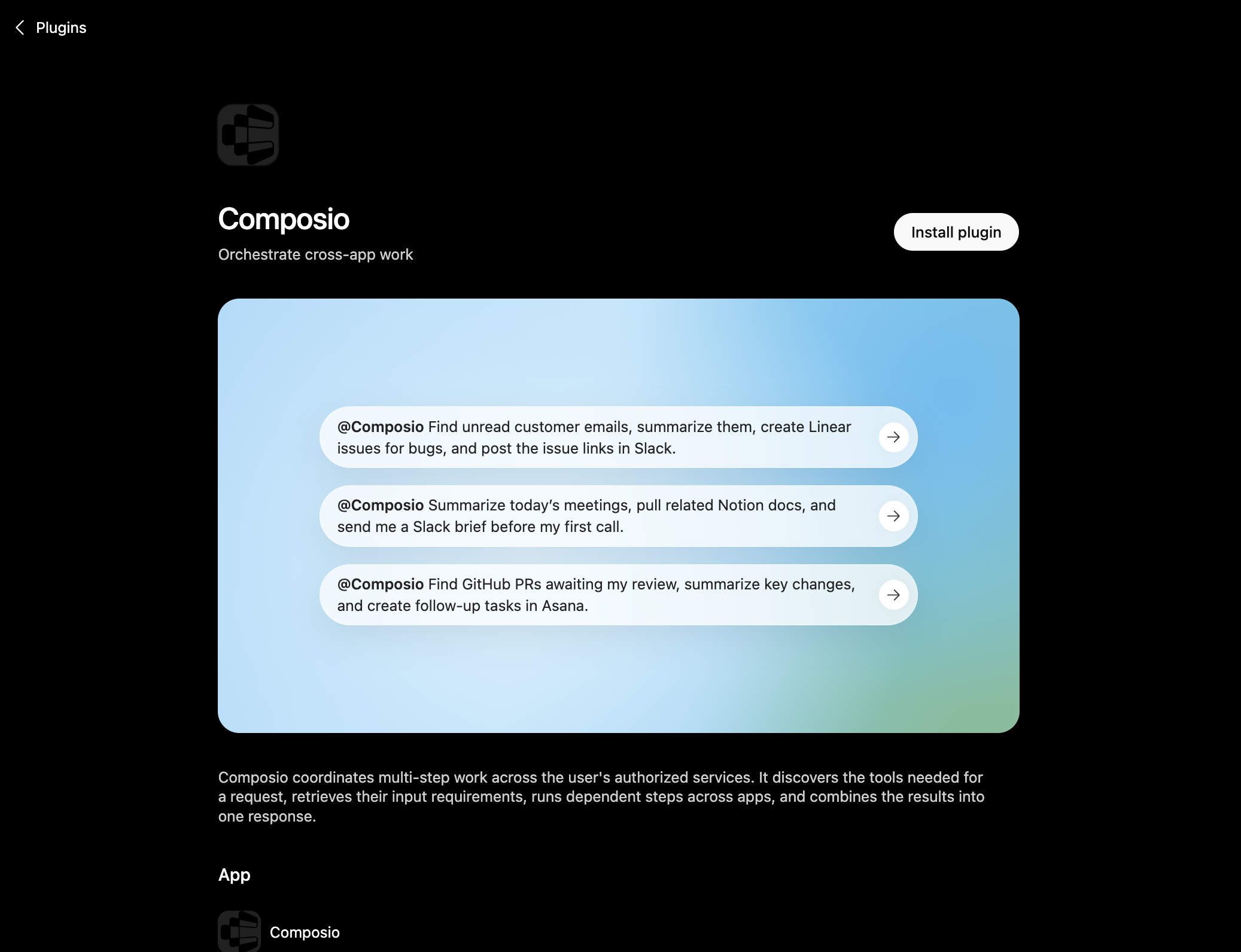
Click the button. ChatGPT opens the Composio plugin page. Click Install plugin.

Install in ChatGPT

Composio plugin page in ChatGPT with the Install plugin button

You can also find it inside ChatGPT: go to Settings, open Plugins, search the marketplace for Composio, and click Install plugin.

2. Authenticate

After you install, ChatGPT asks you to authenticate with Composio. Log in and click Allow access to authorize ChatGPT to use your Composio account.
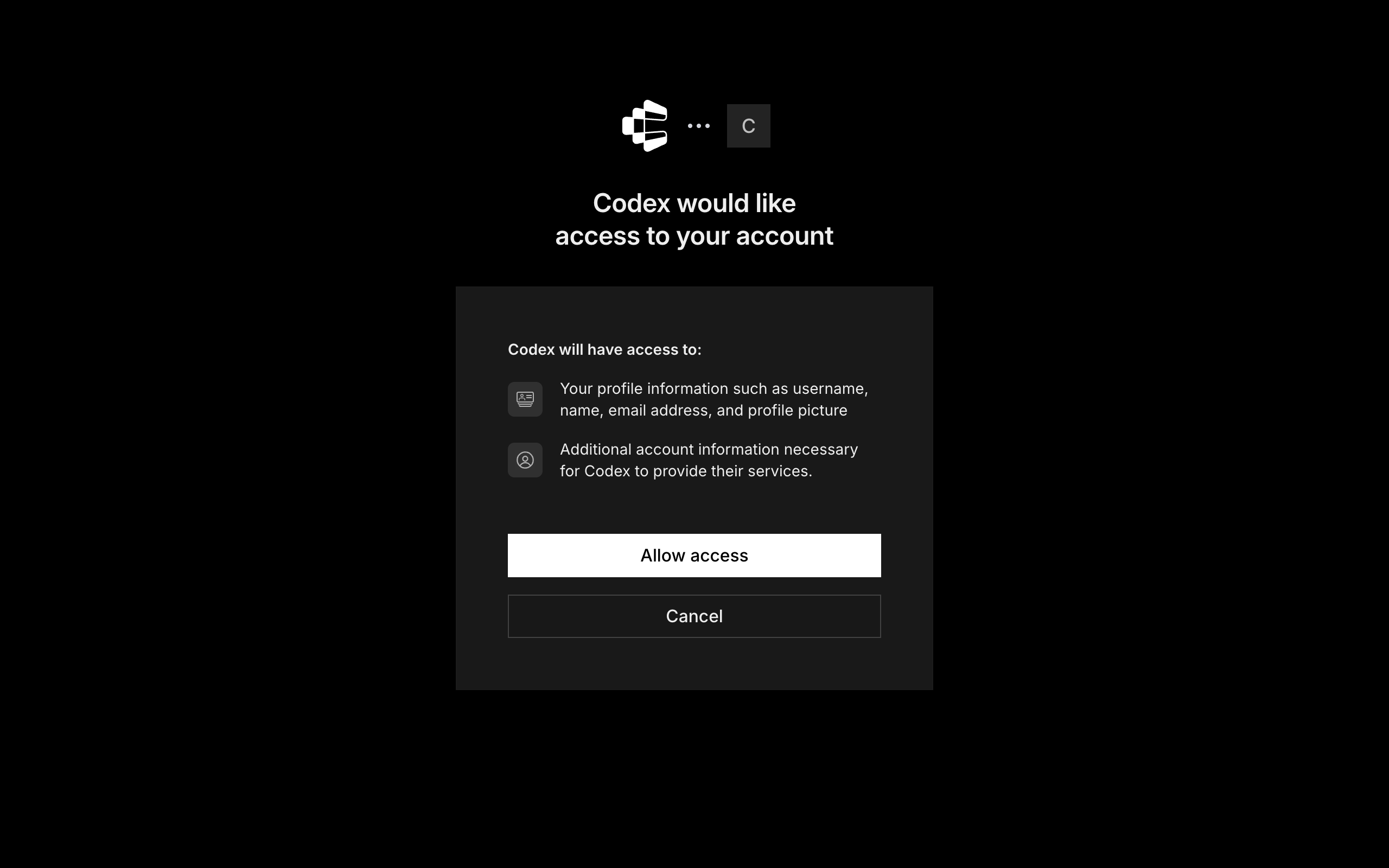
Composio login and Allow access screen for ChatGPT

3. Start using Composio

That is it. Composio tools are now available in ChatGPT. Type @Composio followed by your request, for example @Composio find unread Voiceflow messages and summarize them, and it will run the actions you authorize. On first use it asks you to authorize Voiceflow.

Option 2: Add Composio as an MCP server

If you cannot use the plugin marketplace, add Composio as a custom MCP server instead.

1. Open the MCP settings

In ChatGPT, go to Settings and open the Plugins section. Inside the Plugins page, click the MCP tab.
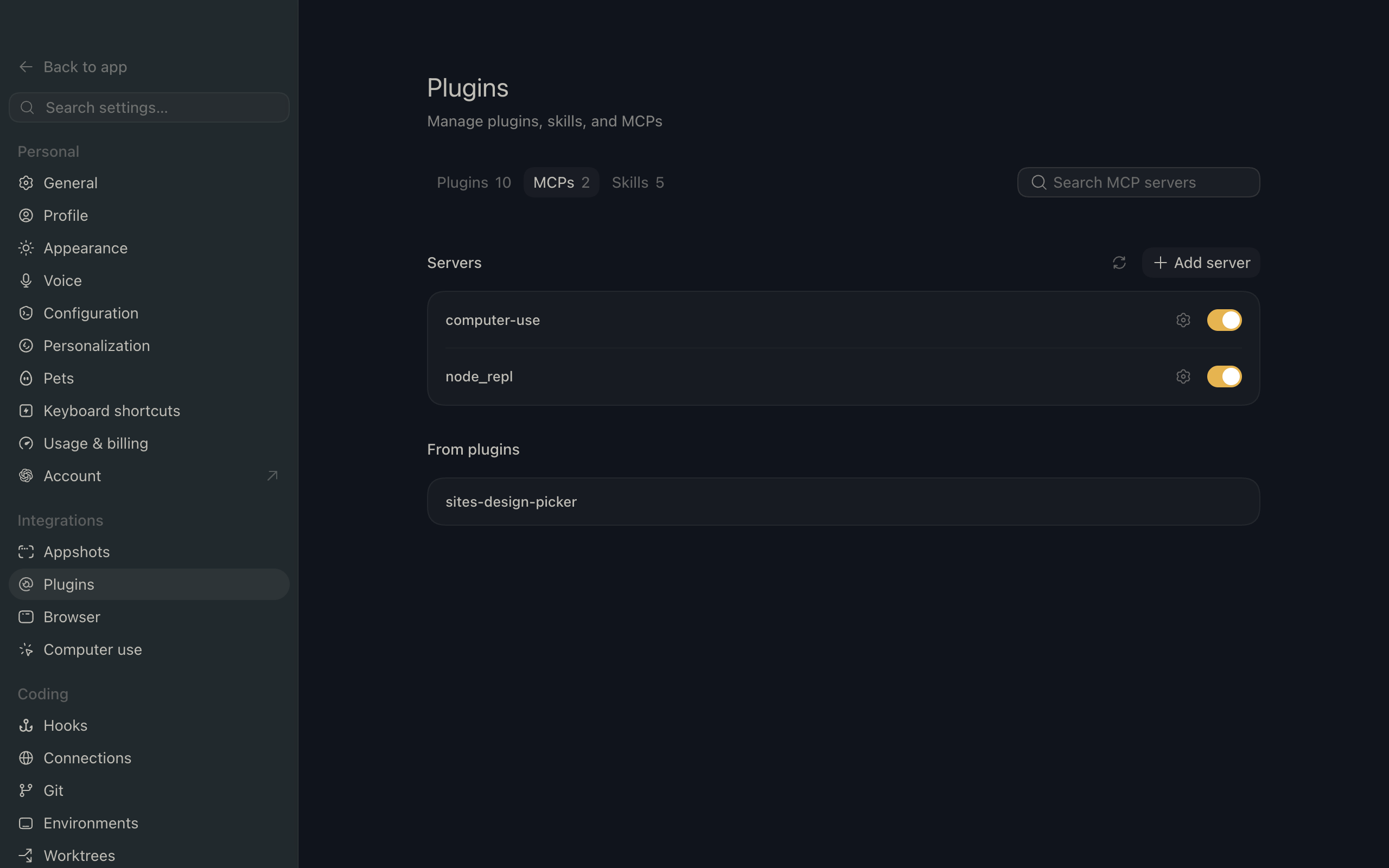
ChatGPT settings showing the Plugins page with the MCP tab selected

2. Add the server

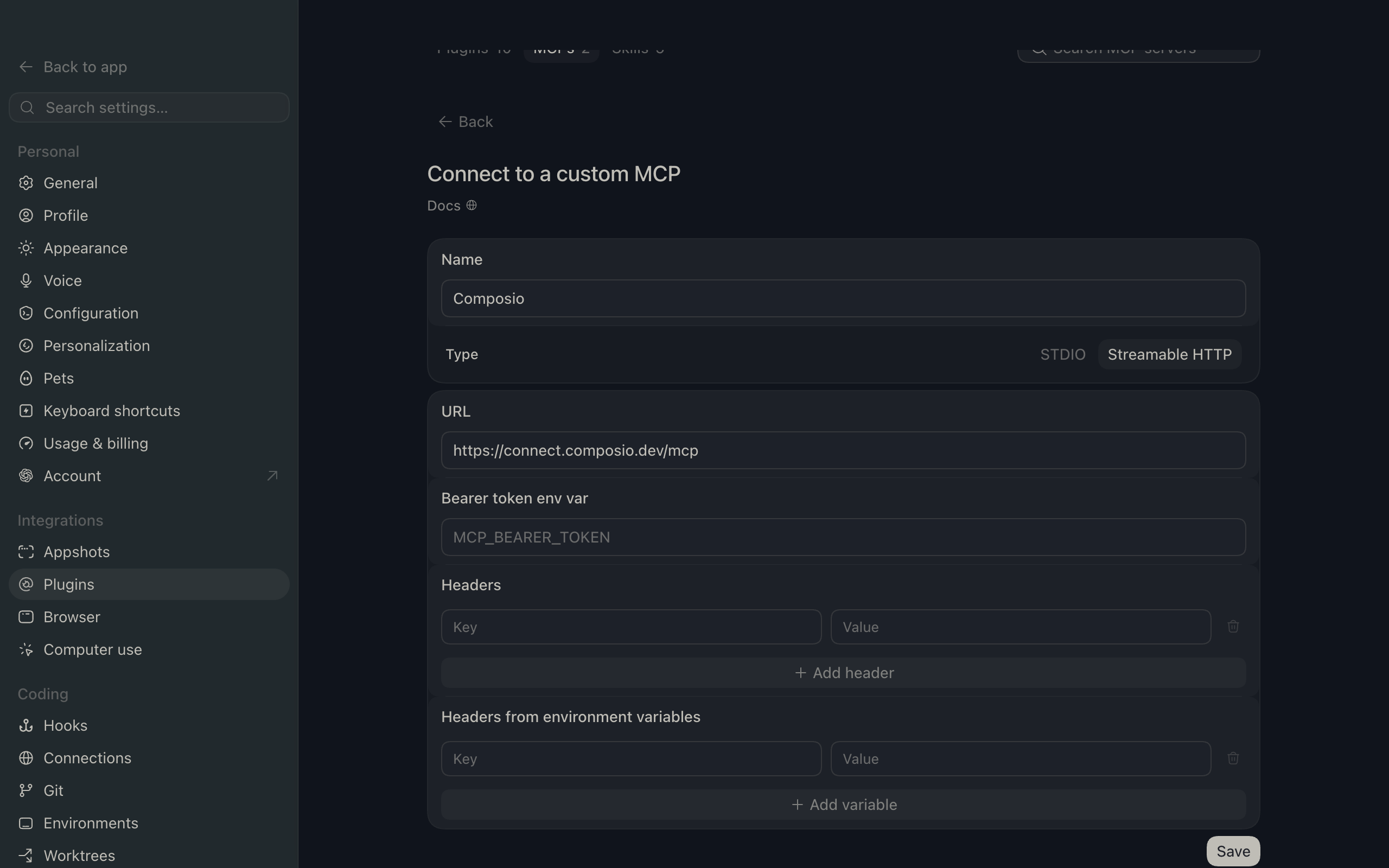
Click Add server. In the Name field enter Composio, for Type select Streamable HTTP, and in the URL field paste the Composio MCP server URL:

bash
https://connect.composio.dev/mcp
ChatGPT Add server dialog with the name Composio, type Streamable HTTP, and the Composio MCP URL

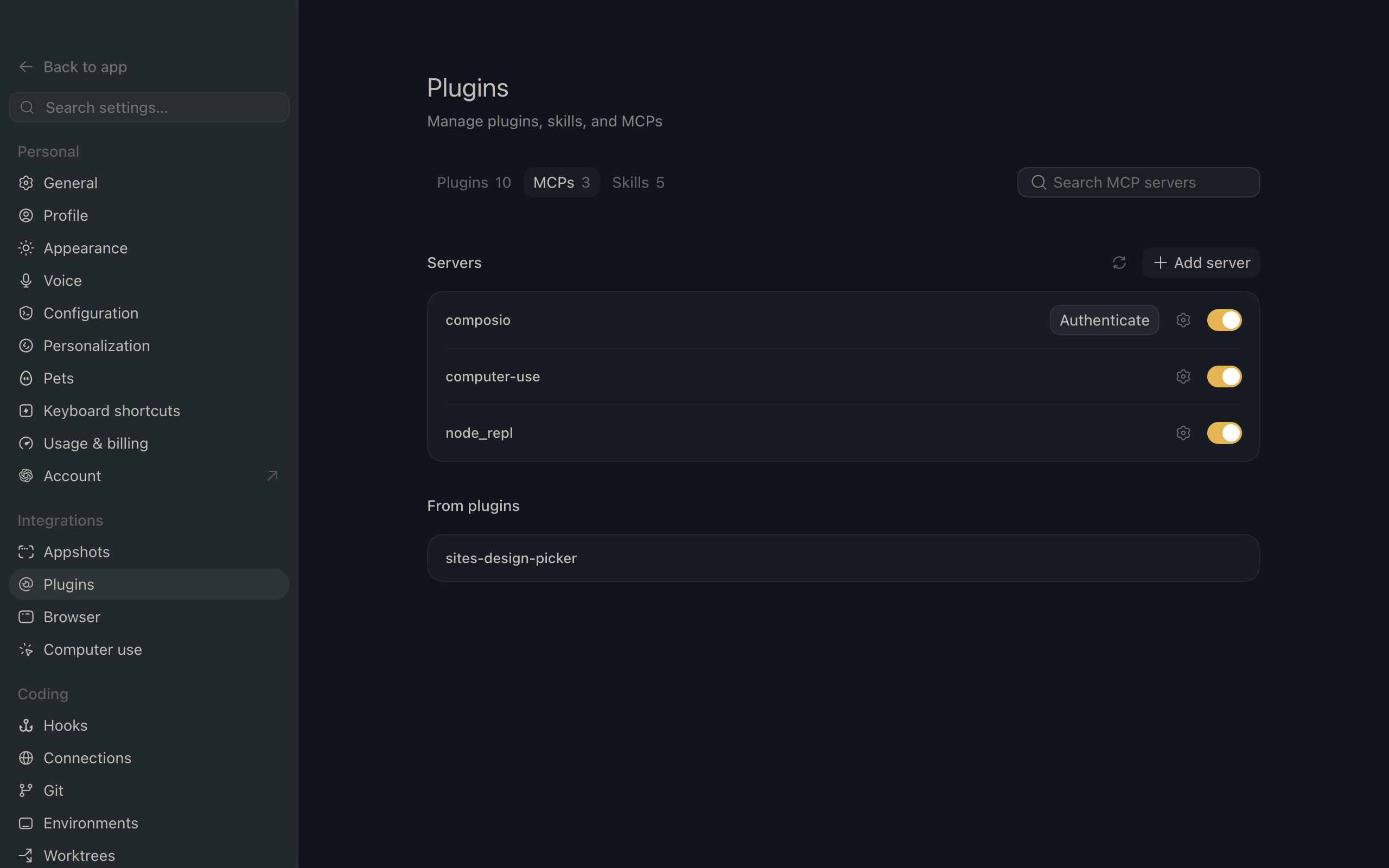
Then click Save. The Composio server now appears in your MCP plugins list.

ChatGPT Plugins page showing the Composio MCP server added to the list

3. Authenticate

Click Authenticate on the Composio entry, log in via Composio, and click Allow access. Composio tools are then available in ChatGPT the same way as with the plugin.

What you can do after connecting Voiceflow

  • Start a Voiceflow test run now
  • Deploy latest Voiceflow version to staging
  • List all published Voiceflow project versions

Security + privacy notes (important)

  • Use least-privilege access: Only grant permissions you actually need.
  • Review OAuth permissions before approving: Make sure requested scopes match what you expect Composio and ChatGPT to do.
  • Keep write actions human-reviewed: For actions like sending messages, creating labels, or editing drafts, keep manual confirmation enabled.
  • Be careful with sensitive data: Avoid using this setup with highly sensitive information unless allowed by your personal, company, or client policies.
TOOLS

Supported Tools

Every Voiceflow action and event your agent gets out of the box.

Create Variable

Create one user-defined variable in a Voiceflow project environment and return its assigned ID and configuration.

Delete Variable

Permanently delete one user-defined variable by ID.

Export Environment

Return a complete JSON snapshot of one Voiceflow environment, including agent, workflows, tools, functions, variables, and knowledge-base records.

Get Agent Configuration

Return one project environment's agent configuration; optionally include its large global prompt and instructions.

Get Conversation State

Read a user's Voiceflow conversation variables, storage, and execution stack for a draft or published environment.

Get Transcript

Return one transcript with its full conversation logs, properties, evaluations, and recording URL.

Import Knowledge Document from URL

Crawl one public web URL into a Voiceflow knowledge base and return the created document and ingestion status.

List Agent Components

List playbooks, API tools, functions, project-level evaluations, MCP servers or tools, attached tools, or tests for a Voiceflow project and, where applicable, an environment.

List Environments

Return a project's environments, aliases, release history, and live traffic percentages.

List Knowledge Documents

Return all knowledge-base documents in one project environment with their IDs, sources, ingestion status, and chunking settings.

List Projects

Return every Voiceflow project in one workspace, including project IDs used by agent, runtime, and authoring tools.

List Variables

Return system and user-defined variables in one project environment with IDs, defaults, descriptions, and ownership flags.

List Workspaces

Return every Voiceflow workspace accessible to the connected account, including IDs needed to list projects.

Publish Environment

Publish a Voiceflow environment as a named release.

Query Knowledge Base

Retrieve relevant document chunks and optionally synthesize an answer from a project's draft or published Voiceflow knowledge base.

Query Project Analytics

Return one Voiceflow project-level analytics metric as a time series for a requested date range and interval.

Search Transcripts

Search a project's conversation transcripts by time, environment, version, session, and transcript-property filters, returning one bounded page.

Send Conversation Message

Send one text turn to a Voiceflow agent and return its typed response traces; this invokes the agent and may consume model usage.

Update Conversation Variables

Merge named variable values into one user's existing conversation state without replacing storage or the execution stack.

Update Variable

Update selected editable fields of one user-defined variable; omitted fields remain unchanged.

FAQ

Frequently asked questions

With a standalone Voiceflow MCP server, the agents and LLMs can only access a fixed set of Voiceflow tools tied to that server. However, with the Composio Tool Router, agents can dynamically load tools from Voiceflow and many other apps based on the task at hand, all through a single MCP endpoint.

Yes, you can. ChatGPT fully supports MCP integration. You get structured tool calling, message history handling, and model orchestration while Tool Router takes care of discovering and serving the right Voiceflow tools.

Yes, absolutely. You can configure which Voiceflow scopes and actions are allowed when connecting your account to Composio. You can also bring your own OAuth credentials or API configuration so you keep full control over what the agent can do.

All sensitive data such as tokens, keys, and configuration is fully encrypted at rest and in transit. Composio is SOC 2 Type 2 compliant and follows strict security practices so your Voiceflow data and credentials are handled as safely as possible.

Start with Voiceflow.It takes 30 seconds.

Managed auth, hosted MCP servers, and every Voiceflow tool your agent needs.Free to start.

Start building